Harbinger

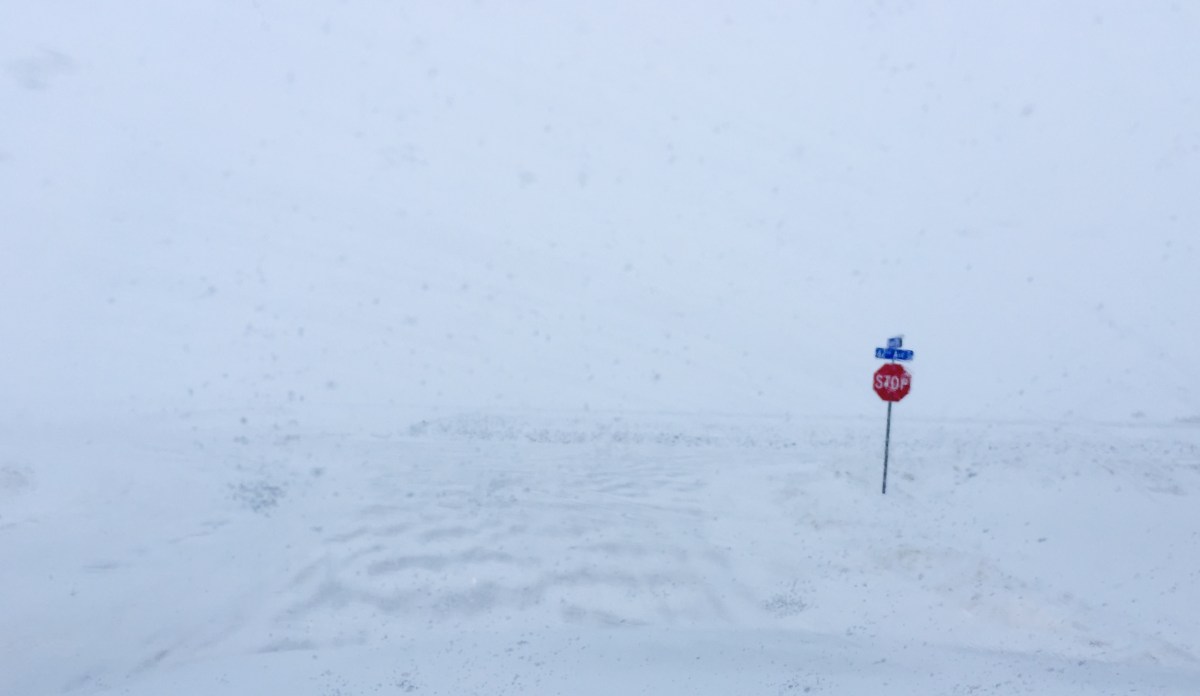
Strange weather times in northeast North Dakota as Christmas plays out for 2016. It’s not at all unusual for us to have snow (and lots of it) this time of year, although 2 years ago, it was fair enough outside to be taking a walk in the historic neighborhood without a jacket.
We cross country skied on Christmas Eve, but there’s none of that to be had tonight.

All up and down the Midwest and Northern Plains, the weather radar through the day has shown heavy snow to the west and southwest, rain and thunderstorms to our south and east, with our position right along a seam of freezing rain. We’ve been in and out of heavy snow forecasts for the last two days- we’ll get some of that, but mostly what we are seeing is highly unstable, very powerful precipitation system seemingly stuck somewhere outside of a particular season.

Recently reading about the history of the Mandan tribes over the last 700 years, it was evident how weather played large roles in the in the stories of gains and losses. Maybe we’ll look back many years from now to this Christmas Day and see it as a harbinger of what’s come to be known as climate change. For tonight, the icy edge of the front slices through me as I am imagining my view of all from the sky, the soul-stirring force on the prairie it’s always been.
Hallelujah

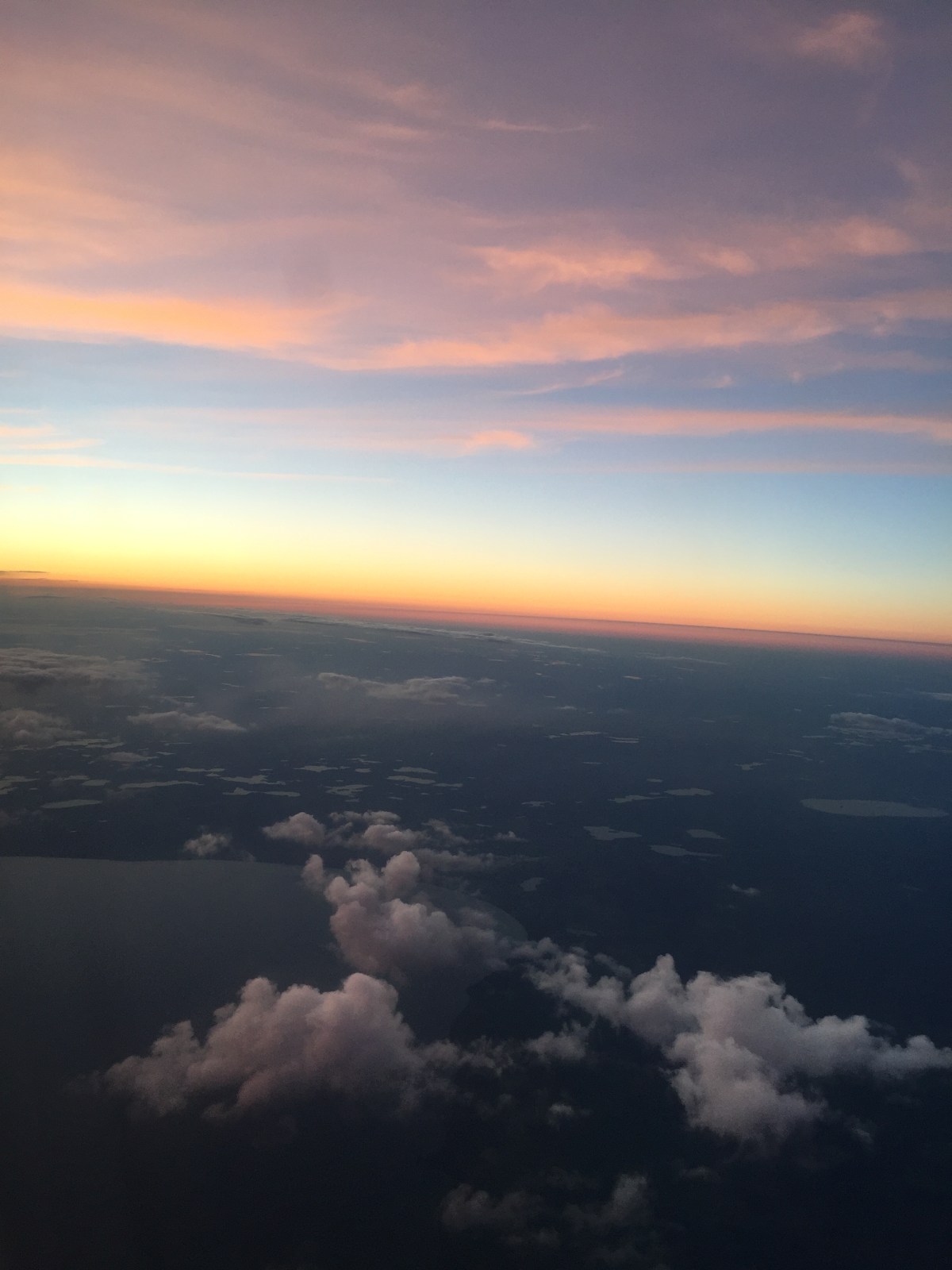
In the Cleveland airport, there are many tributes and displays for the rock and roll hall of fame. I reflect on an inductee who’d passed yesterday, Leonard Cohen, as I dig my iPod out of my bag to listen to his songs, now unexpectedly amplifying and deepening the spirituality of the moment. I am not a religious person, but on this Sunday morning, it seems more like the the church I carry with me wherever I go.

The flight is languorous in the early morning light as songs waft through my headphones in his poet’s voice, and the emotion of the last few days reaches a head as the clouds drift indifferently by. Fittingly, I’m leaving a conference on music therapy; fading to black, I’m disconnected from the plane lost in my own therapeutic dimension of song and voice. Alone, but connected to a humanity past, present, and future, for those who care to follow.

The sun is high when I reach my driveway, unloading my bags with a sense of catharsis. This is what art and song do, they find us, they reach us, they change us- and they better us. Hallelujah.

When The Rain Comes

Watching the wind and gray move through uptown from my vantage point in the coffee house, I turn my attention back to my tablet and the academic writing project I’ve been working on for a couple of weeks.  The rain begins to fall as we step out of our temporary shelter, growing steadily in intensity with an uptick in wind. The impact is exaggerated by streetside potted plants and flowers recoiling as people scatter into doorways and cars to avoid contact.  My friend breaks for the parking garage, turning partway and taking a few steps backwards, yelling that he’ll come back with the truck.  Age and health separate us, I’m a lot slower in my gait, but I know he’s looking out for me.

I turn to face the rain, cool relief, a reminder of fall after days of heat and humidity.  Embracing this precipitous side of the water cycle, I take a minute before finding cover on the landing at the backside of a furniture store.  The rain and wind come and go quickly, and my friend arrives with the pickup from around the corner.  I pull myself into the passenger side and we make our way coincidentally north back through the city, shifting ever so slightly away from summer.

Tri-County, The WPA, and me

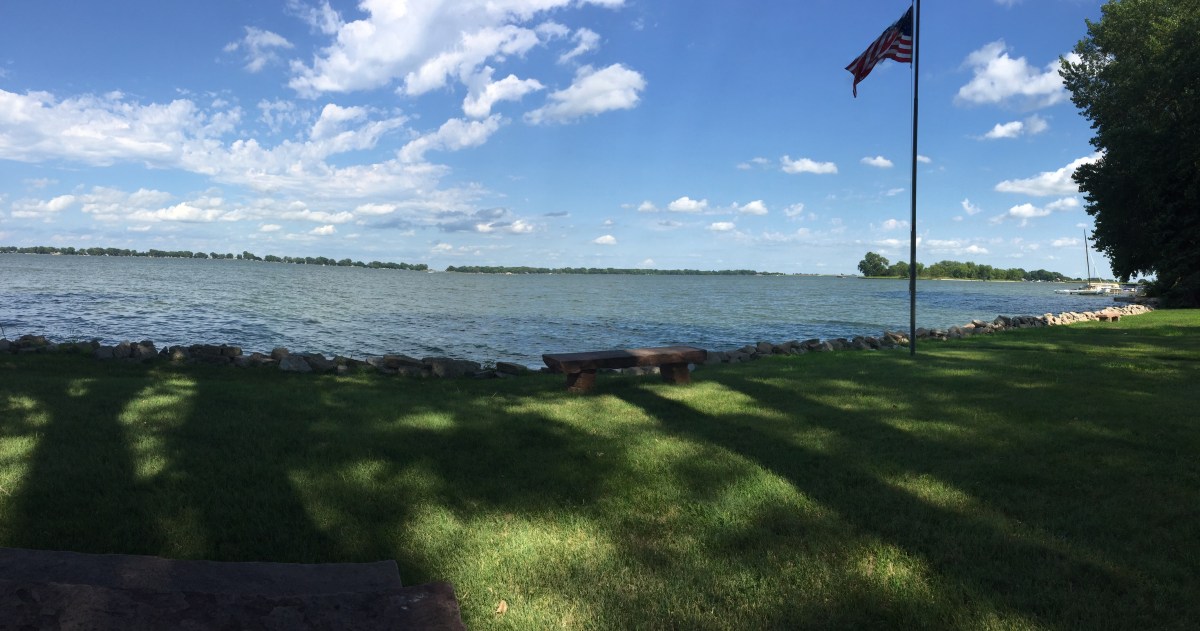
Cicadas sing their ancient song as the sun settles into its 4 o’clock angle on the water.  The level is high, a little unusual for late July, as Johnson Lake, Gosper County, Nebraska is a reservoir on the old Tri-County irrigation system.  Built as a Works Progress Administration Project in the 1930’s, it was the answer to the dustbowl in southwestern and south-central Nebraska to move corn farming away from the whims of dryland practice dating back to the homestead days.   Originating in the 1880’s, the idea was sidetracked by just-often-enough ideal growing conditions, which lessened the need for controlled irrigation in the eyes of farmers for decades.  By 1934, the Great Depression combined with the extreme drought changed minds, and finally made the push to more modern growing practices.


Often by August, the reservoirs move from their recreational mission to the primary purpose of serving agriculture in the region.  The area has had an unusual amount of rain this year, and the snow pack upriver on the shallow, wide Platte system extending into the Colorado Rockies was adequate to keep these old valleys flooded in their reservoir service.  I can see sailboats, people fishing, jet skis, and skiiers enjoying the sun and light breeze as the wind percusses the cottonwood leaves in a familiar sound from my time spent growing up here.


As we crossed the Northern Plains and settled into the valley yesterday, I saw the corn approaching peak with tassels whipping in the wind.   Taken back to my time working on my Grandparents farm in the 1970’s, I recall that they had worked this land since the late 30’s as a college graduate and former teacher, and had grown up here.  As the fields go by, I reflect on my own interaction with the canal system, irrigating hundreds of acres of corn by hand with siphon tubes on hot, sunny days. That was close to the end of an era as well, as the water would soon be distributed to crops with gated pipes and pivot systems.


Today is the 105th anniversary of the birth of my Grandfather Leroy Nyquist.  I learned the history of the canals every year when we started back up in late June, opening the canal gates to let the water fill the ditches we’d dug to irrigate our fields.  It’s still sunny and hot, and I map out the system in my head once again, just like I did 40 years ago.

The Ballpark

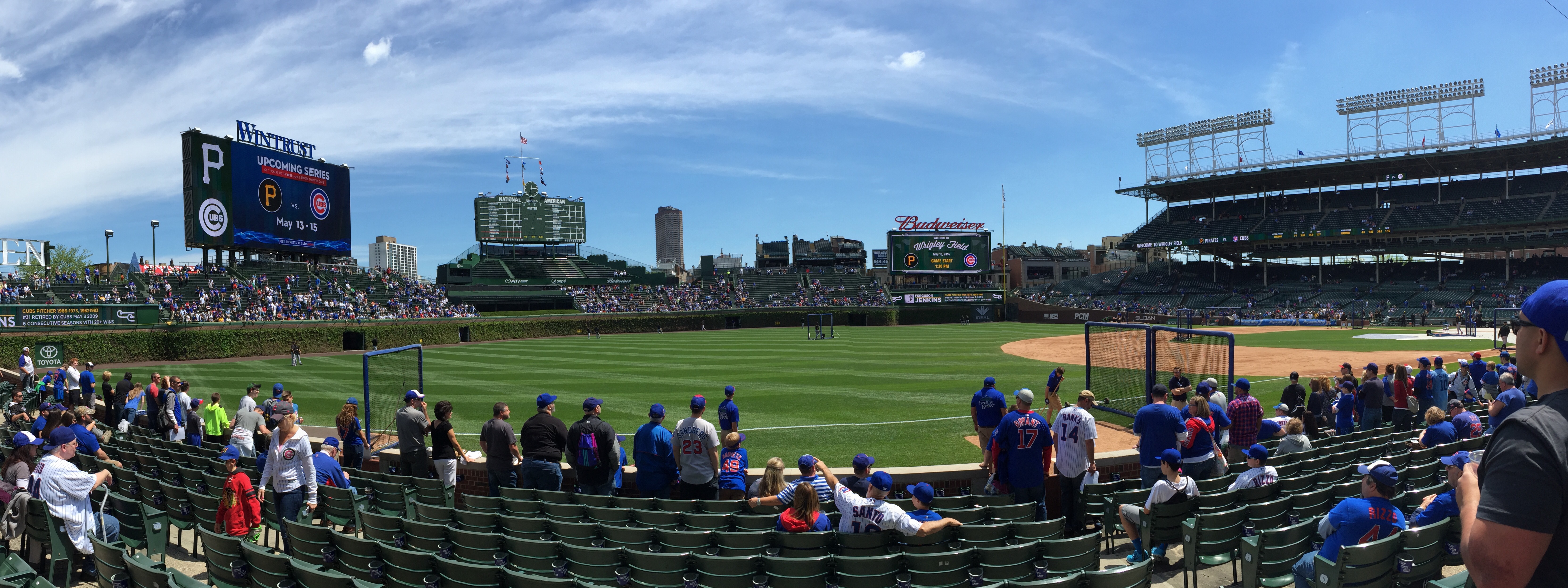
I like to get to the ballpark 90 minutes or so before the first pitch. All of the rhythms of the game start well in advance with the staff in place, the players taking batting practice, grooming of the field by the grounds crew,the slow build of the crowd, and some meditative reflection on this most sacred and ancient of baseball’s urban green spaces.

I’ll be spending a lot of time here in my retirement someday.

The Human Highway

Steele, North Dakota, in Kidder County along I-94 at the State Highway 3 intersection (population 715. Founded 1878) is one of my usual stops on my frequent trips to Bismarck for work. Over the last few years, it’s become more attractive for gas and coffee coinciding with the extensive remodel of the gas station there- it has a Caribou Coffee and a very large convenience store. It has benefitted no doubt from increased traffic in central North Dakota.

The gas pump islands are slanted, and there are several, so it’s easy to see everyone. This place is always busy, but maybe even more so on a nice sunny 50F day on a recent trip. As I am cleaning my windshield I notice a guy about 20 years older than me, and beyond him, another about 30 years younger than me, both doing the same. Often, in our minds eye, I think we feel our reality is more in touch with our younger selves as we carry that vision in our memory. I ponder that I am actually more connected to the older gentleman than the younger one as he gives me a little nod seeming to acknowledge this.

I pay and get some hot coffee to go as I look around the store, families, little kids, young adults, elders, high schoolers (this apparently is the place to hang when school gets out for the day), construction workers, oilers, farmer/ranchers, and businesspersons going about their business; the humanity of our everyday life along the long continuum evident as I hit the road. I’m hoping I’ll get to see the 75 year old version of myself, and maybe even hold that in my memory someday.

The West Is The Best (Just Exactly Perfect)

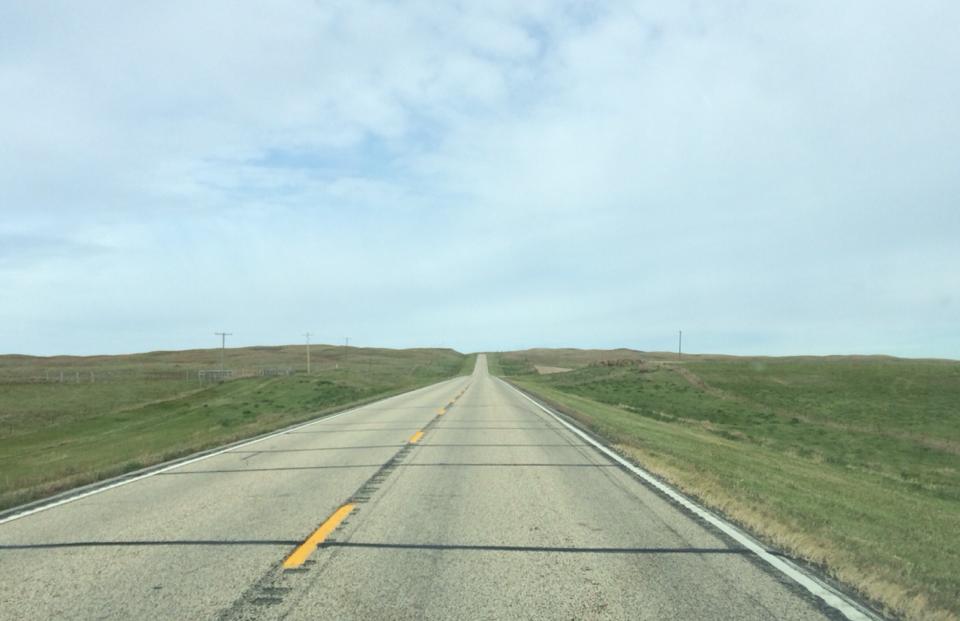
It’s a just another weekday afternoon in the spring in western North Dakota, an area that has achieved some notoriety in the public’s mind following an oil boom-many may have never thought about these places before. For those of us who live in North Dakota, the west is something else- still a place where our minds and our thoughts can diffuse out across the prairie grasslands and badlands. Restlessness of the city is lost as I roll down the high line.

Taking refuge in a downtown in a coffee house to stoke up and get some work done, it’s an unexpected but familiar feeling when one of my favorite bands plays on the just exactly perfect sound system. A slow wave of feeling settled finds me, even though I’m a few hundred miles from home as the dark roast boasts its smooth and sensual flavor on my palate and into my thoughts.

I think all of us look for ways to feel connected to our communities, our families, our friends, and our surroundings. As I have gotten older, these things seem more important. It doesn’t always have to be profound, it just has to sink in- we need to stay open and attuned to possibilities and let them filter through….and find them wherever they may be.

Well, this job I got, it’s a little too hard…..